

Features
Provides easy to follow steps for planning a project, including responsibilities, work breakdown structures, time and cost estimating, scheduling, resource allocation and budgeting Contains a project defining section that includes a statement of work or understanding, goals and objective setting, risk management, and ideas for giving presentations to top management and team leaders Gives solutions to common problems and problems unique to specific industries related to cost, schedule, quality, and teaming Serves as an invaluable guide for both the novice and expert project manager with clear adaptable examples of critical diagrams and documentation Includes easy to understand steps for leading, organizing, and controlling a project such as team organization, procedures, forms, reports, project manuals, project software, tracking, monitoring, contingency planning, re-planning, meetings, change control, and more
Summary
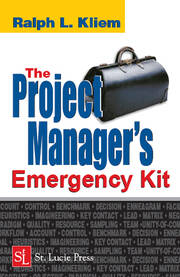
Project success requires a solid understanding and proper implementation of the tools, techniques, and principles of project management. A reference for both the novice and expert project manager, The Project Manager's Emergency Kit provides you with everything you will need to get your project off to a solid start and overcome any emergencies that may arise during the project life cycle. It supplies you with over 200 project management tools, techniques, and principles arranged in alphabetical order.
The text provides guidance on how to complete projects on time and within budget while meeting the needs of your customers. It presents easy-to-follow project planning steps covering the responsibilities, work breakdown structures, time and cost estimating, scheduling, resource allocation, and budgeting. The Project Manager's Emergency Kit provides you with straightforward guidelines that will help you overcome any challenges that may arise and deliver a product or service that will satisfy everyone who has a stake in the outcome of your project.
Table of Contents
Contents
Introduction
Project Management
Major Characteristics of a Project
Reasons for Project Management
Ways to Avoid Project Failure
What to do When you Realize Your Project Will Fail
Reasons for Project Management
Key Project Participants
Project Manager’s Expectations of Project Sponsor
Expectations from Project Sponsor
Project Manager’s Expectations of Client
Expectations from the Client
Project Manager’s Expectations of the Project Team
Expectations of the Project Team
Defining
Introduction
Goals/Objective Setting
Risk Management
Statement of Work
Planning
Introduction
Work Breakdown Structure (WBS)
WBS Responsibilities
Estimating
Estimating Responsibilities
Scheduling
Scheduling Responsibilities
Resource Allocation
Budgeting
Budgeting Responsibilities
Organizing
Introduction
Team Organization
Project Procedures
Forms
Reports
Project Manual
Project Library
Newsletter
History Files
Project Software
Controlling
Introduction
Tracking and Monitoring
Contingency Planning
Replanning
Effective Meetings
Change Control
Project Termination
Leading
Project Leadership
Leadership Qualities
Team Building